
The Countercurrent of Violence
News of the WorldThis thread traces how different kinds of violence—raids, political disorder, commercial predation, and frontier insecurity—surround the travelers.
increasing Bearing strength in each event
 decreasing
Bearing strength in each eventdecreasingThe Earlier Raid

The Earlier Raid
A family destroyed
The raid that takes Cicada kills her German-born parents and younger sister. The violence leaves a surviving child whose later behavior cannot be separated from the losses she witnessed and endured.
The conflict continues
The novel treats the raid not as a distant incident but as a force shaping every later encounter. Cicada’s capture, return, and resistance all grow from this initial rupture.
Raids and Empty Roads
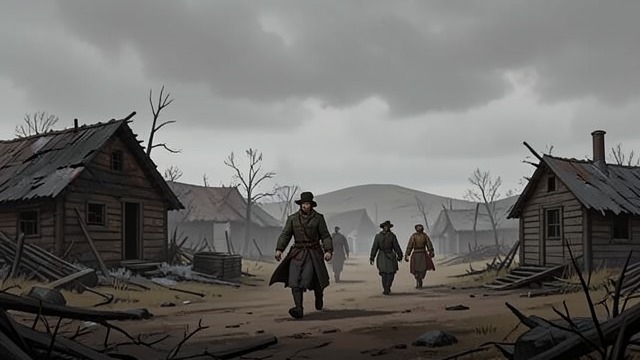
Raids and Empty Roads
A landscape emptied
Kidd and Cicada pass burned cabins and abandoned farms as they move through country threatened by Comanche and Kiowa raiders. Settlers and travelers adapt their routes to the possibility of attack.
Civilian vulnerability
The travelers cannot assume that law or military protection will arrive. The landscape’s beauty carries a constant undertone of insecurity.
The Horrell Brothers’ Fame

The Horrell Brothers’ Fame
Violence as public identity
The Horrell brothers want Kidd to read about their killings and expect eastern newspapers to make them famous. Their violence has become part of how they imagine themselves.
A threat avoided
Kidd avoids their saloon and leaves the springs before the brothers’ drunkenness turns into a confrontation. Their episode shows how notoriety can reward and prolong frontier violence.
The Lampasas Warnings
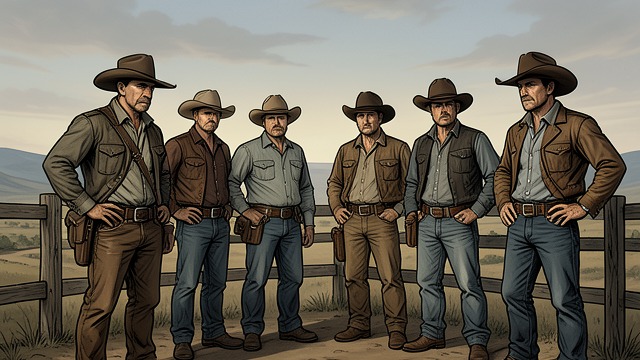
The Lampasas Warnings
News from the road
Cowboys warn Kidd about raids, the Horrell brothers, and the dangers around town. Their advice is practical, based on knowledge that formal authorities may not provide.
Preparedness as survival
Kidd changes his plans and chooses a guarded camp. The warnings do not remove the danger, but they let him act before violence closes off his choices.
The War’s Long Aftermath
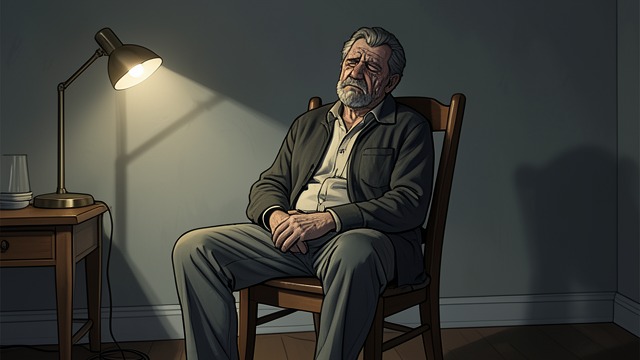
The War’s Long Aftermath
Violence carried in memory
Kidd’s recurring combat dreams return after the shootouts, drawing together battles from his youth and recent frontier attacks. Conflict persists inside him after the immediate danger has passed.
Trauma recognized across lives
He considers whether captive children carry their own invisible wounds from violence. His reflection links personal memory to Cicada’s altered sense of home and the difficulty of returning to ordinary life.
Four years before the journey
March and April 1870, through the Texas Hill Country
March 1870, near Lampasas Springs
March 1870, before Kidd reaches Lampasas
After the return journey, in Kidd’s reflections
